
Sri Lanka Travel Guide: When to Go, Where to Go, and What to Book

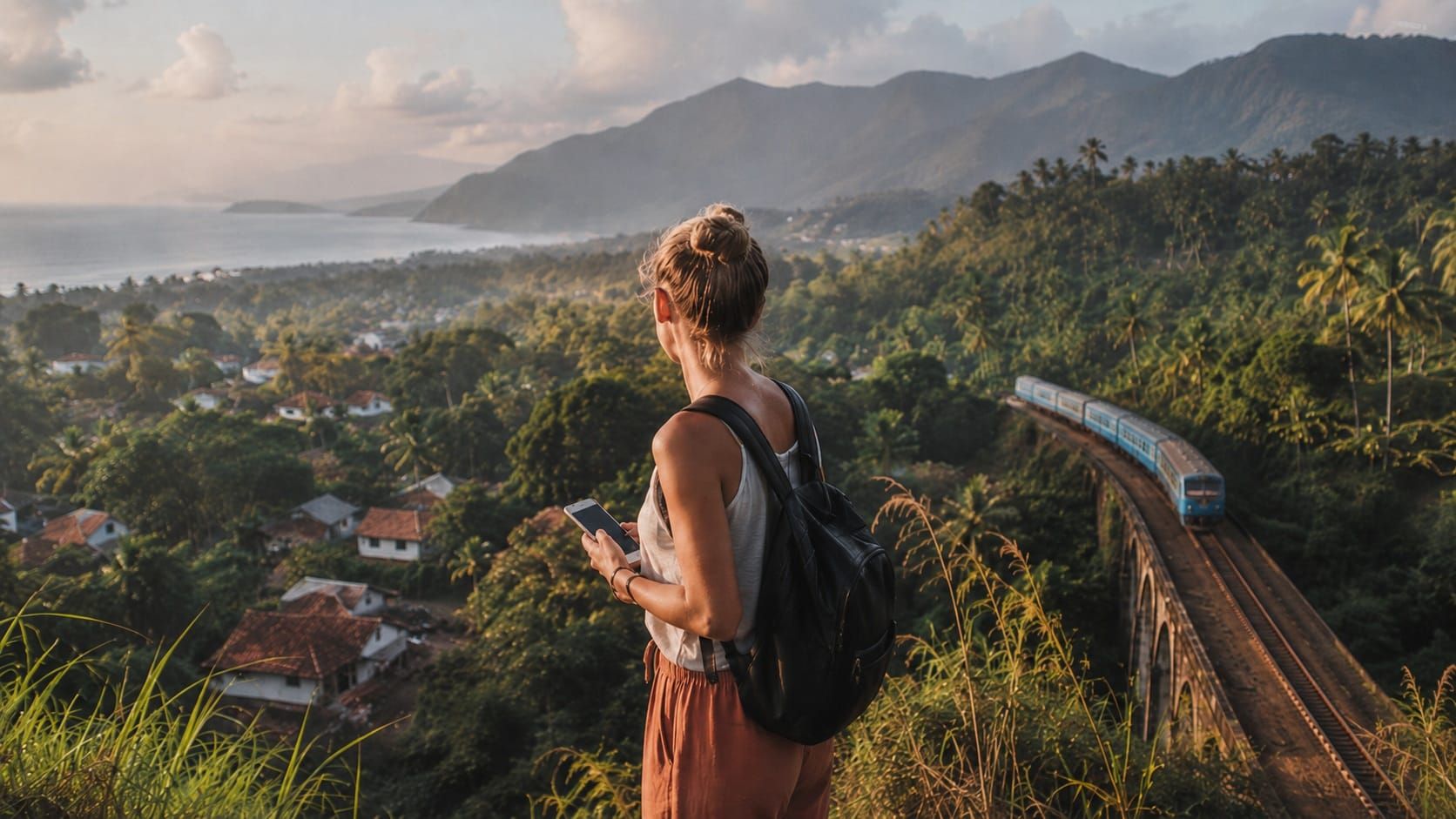
Sri Lanka is one of those rare travel destinations where a first-time visitor can experience beaches, wildlife, mountains, ancient cities, local food, scenic train rides, and warm island culture in one trip. That is the main reason Sri Lanka travel has become popular among different types of travelers, from backpackers and honeymoon couples to families, solo travelers, luxury tourists, and digital nomads.
The island may look small on the map, but once you start planning, you quickly realize there is a lot to choose from. One traveler may want golden beaches and seafood by the ocean. Another may want tea plantations, waterfalls, and cool mountain weather. Someone else may come for temples, history, elephants, leopards, surfing, Ayurveda, or simply a slow tropical holiday.
This Sri Lanka travel guide is written for first-time visitors who are still trying to understand where to go, when to visit, what to book first, and how to build a simple route without making the trip feel rushed. Sri Lanka Tourism officially promotes the country through travel experiences such as beach holidays, wildlife safaris, adventure, whale watching, heritage, pilgrimage, and Ayurveda, which shows how wide the destination really is.
If you are planning your first Sri Lanka trip, the best way to start is not by asking, “How many places can I cover?” The better question is, “What kind of Sri Lanka do I want to experience?”
Why Visit Sri Lanka
Sri Lanka is a destination with strong variety. In a single journey, you can wake up near the beach, travel through coconut villages, visit a sacred temple, climb an ancient rock fortress, ride a train through tea country, and end the week on safari watching elephants in the wild.
That mix is what makes Sri Lanka tourism different from many other island destinations. Some countries are mainly known for beaches. Some are known for mountains. Some are known for culture. Sri Lanka gives you all three within a compact island, which makes it easier to build a rich travel experience even if you only have one or two weeks.
For first-time travelers, the biggest advantage is flexibility. You can travel on a budget using guesthouses, trains, buses, and local food. You can also plan a premium holiday with boutique hotels, private drivers, guided tours, luxury beach resorts, and curated experiences. Families can choose slower routes with safer travel times. Backpackers can stay longer and move from surf towns to hill country. Couples can combine romantic hotels, scenic views, and quiet beaches.
Sri Lanka also works well for travelers who want a journey that feels real. The country is not only about polished tourist zones. A simple walk through a local market, a cup of tea in the hills, a short tuk-tuk ride, or a conversation with a local family can become part of the memory. That human side is one of the strongest reasons people return.
At the same time, it is important to plan properly. Sri Lanka is small, but travel times can be longer than expected because roads are busy, mountain routes are slow, and some destinations are far apart. A smart Sri Lanka itinerary should leave space between major activities. Trying to cover too many places in a few days is one of the easiest ways to turn a beautiful holiday into a tiring one.
Best Time to Visit Sri Lanka
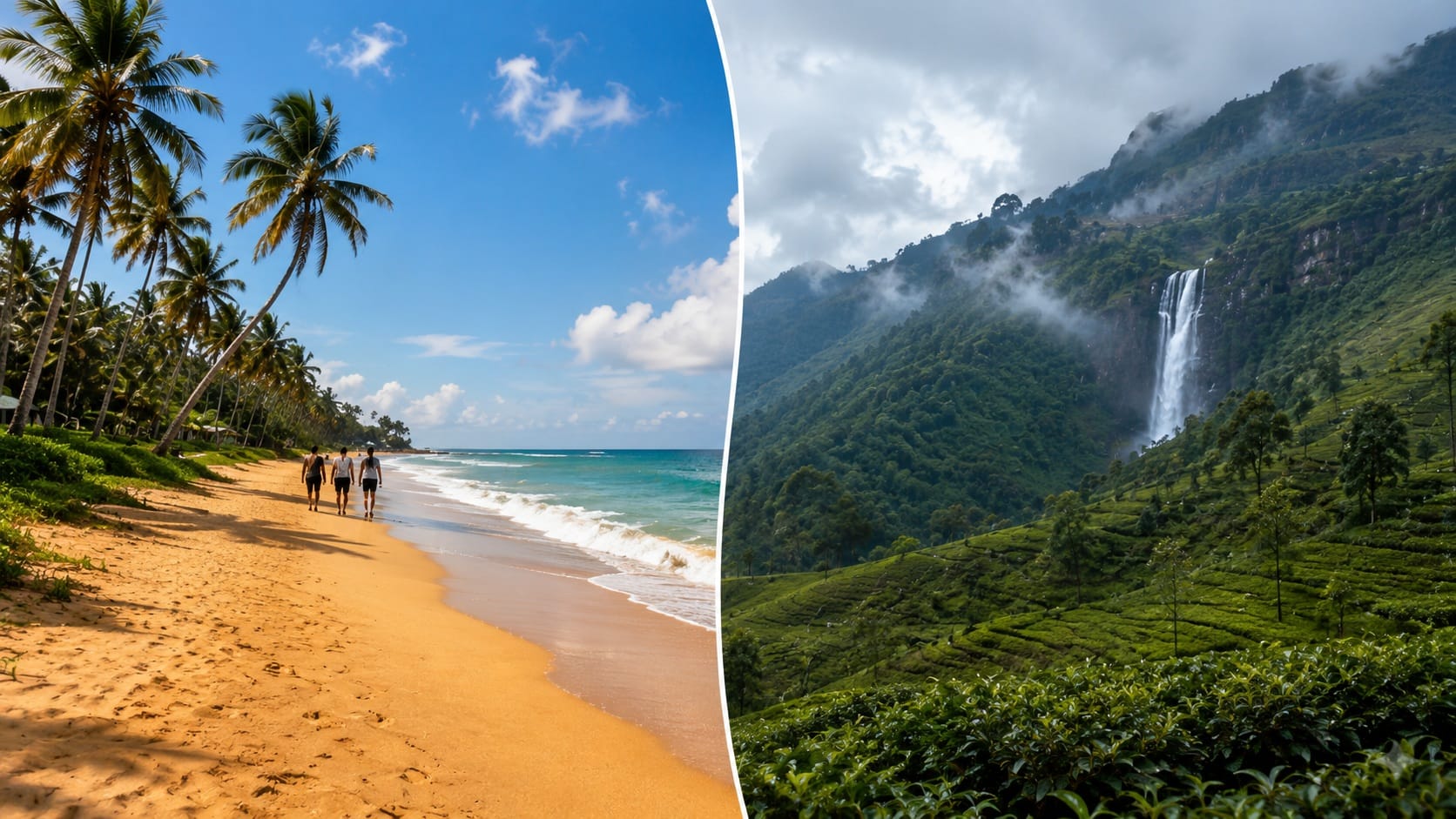
The best time to visit Sri Lanka depends on where you want to go. This is because Sri Lanka has different weather patterns across the island. The south and west coasts usually work best from around December to March, while the east coast is often better during the middle months of the year. Travel companies and destination guides commonly describe December to March as a strong period for the south, west, and hill country because these areas usually receive better weather during that season.
For a first-time visitor, December to March is often the easiest period to plan a classic Sri Lanka route. During this time, many travelers visit Negombo or Colombo, then move to the Cultural Triangle, Kandy, Ella, Yala, and the south coast. This route gives a strong mix of culture, mountains, wildlife, and beaches.
April can also be a beautiful month, especially around the Sinhala and Tamil New Year period, but it can be hot and busy in some areas. May to August can bring more rain to the south-western side of the island, but this does not mean Sri Lanka is closed for travel. It simply means travelers should choose routes more carefully. The east coast, including places such as Trincomalee, Pasikudah, and Arugam Bay, becomes more attractive during this period.
September to November can be more unpredictable because of inter-monsoon weather. Some days may be sunny, while others may bring heavy rain. This period can still work for flexible travelers, but it is better to avoid overplanning outdoor activities without backup options.
The simple rule is this: do not only search “best time to visit Sri Lanka” and stop there. Search based on the region you want to visit. The best time for Mirissa is not always the best time for Arugam Bay. The best time for a beach holiday is not always the same as the best time for cultural sightseeing or hill country travel.
Regions and Trip Styles
Sri Lanka becomes much easier to understand when you divide it into regions. Each region has its own mood, travel style, and reason to visit.
Colombo and Negombo
Most travelers arrive through Bandaranaike International Airport, which is closer to Negombo than central Colombo. This makes Negombo a practical first-night stop, especially after a long flight. It has beach hotels, seafood restaurants, and easy airport access.
Colombo is better for travelers who want city hotels, restaurants, shopping, rooftop dining, cafés, nightlife, and a quick look at modern Sri Lanka. It is not always the main highlight of a Sri Lanka travel itinerary, but it can be useful at the start or end of the trip.
Who Colombo and Negombo Suit
Negombo suits travelers who want a soft landing after arrival. Colombo suits business travelers, city lovers, food-focused travelers, and people who want comfort before heading into the island.
Cultural Triangle
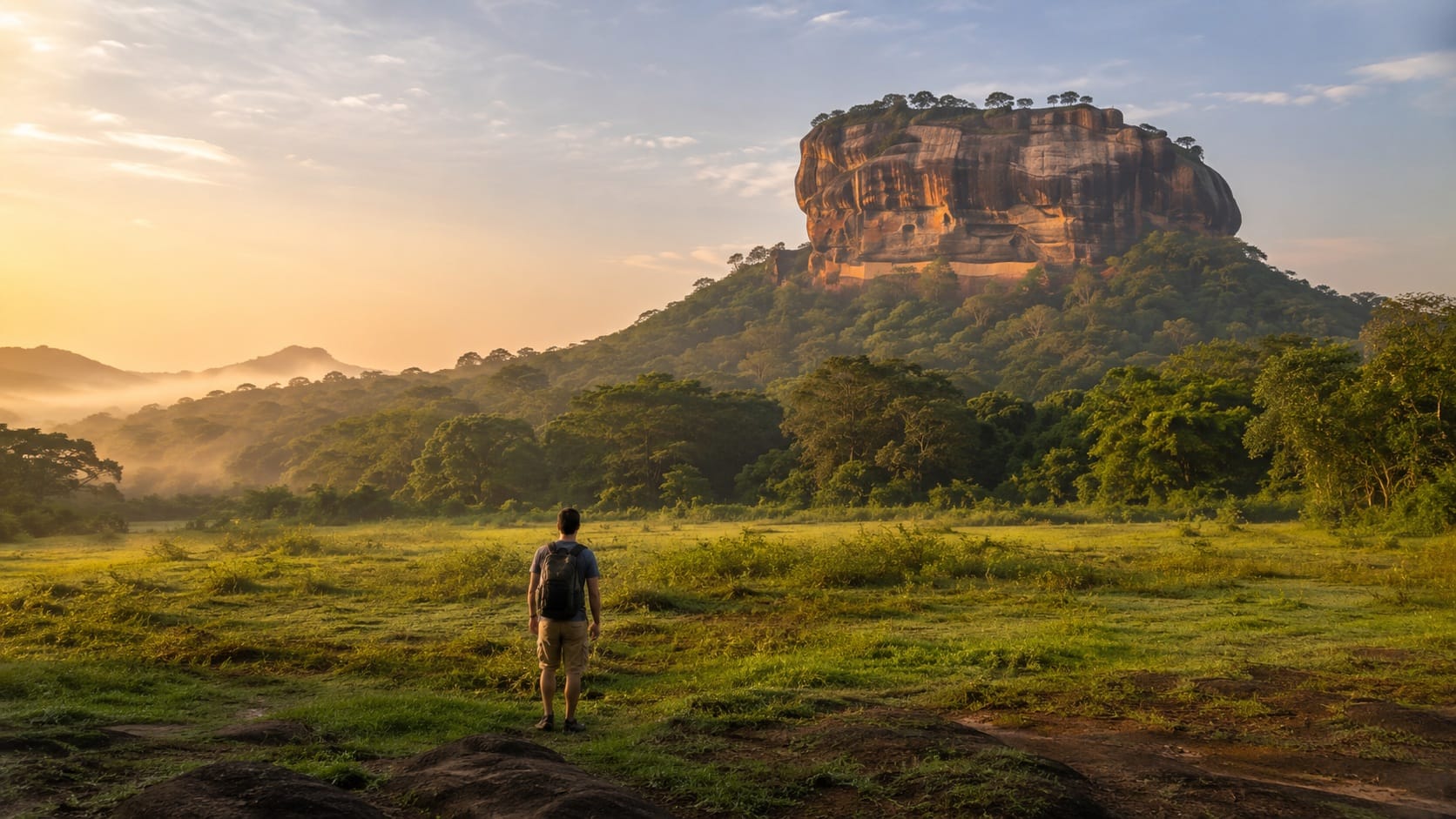
The Cultural Triangle is one of the most important regions for first-time visitors. It includes places such as Sigiriya, Dambulla, Anuradhapura, and Polonnaruwa. This is where Sri Lanka’s ancient history becomes visible through rock fortresses, cave temples, ruins, stupas, and sacred sites.
Sigiriya is usually the highlight for many travelers. The climb, the views, and the history make it one of the most searched places to visit in Sri Lanka. Dambulla Cave Temple is another major stop, especially for travelers interested in Buddhist art and heritage.
Who the Cultural Triangle Suits
This region suits history lovers, photographers, families, culture-focused travelers, and first-time visitors who want to understand Sri Lanka beyond beaches.
Kandy and the Hill Country
Kandy is often the gateway to Sri Lanka’s central highlands. It is known for the Temple of the Sacred Tooth Relic, cultural shows, lake views, and access to mountain routes. From Kandy, many travelers continue toward Nuwara Eliya, Ella, or Hatton.
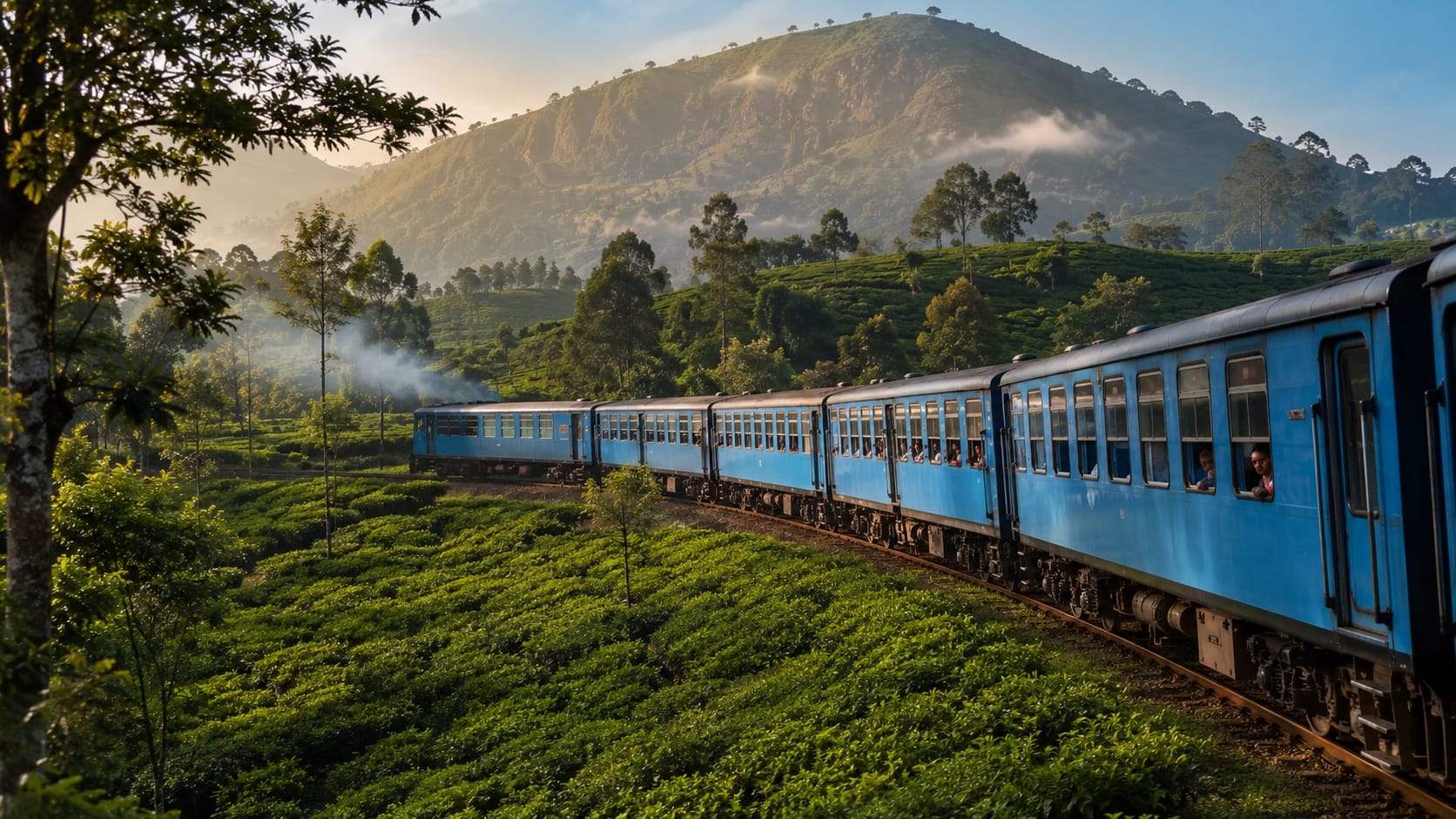
The hill country is a completely different side of Sri Lanka. The air is cooler, the landscapes are greener, and the roads curve through tea plantations, waterfalls, mist, and small towns. Ella is especially popular among younger travelers and backpackers because of Nine Arch Bridge, Little Adam’s Peak, cafés, guesthouses, and hiking spots.
Sri Lanka Railways provides official train schedule services, and train travel remains one of the most famous ways to experience the hill country, especially routes connected to Kandy, Nuwara Eliya, Ella, and Badulla.
Who the Hill Country Suits
The hill country suits nature lovers, couples, photographers, hikers, train lovers, backpackers, and travelers who want a slower scenic experience.
South Coast
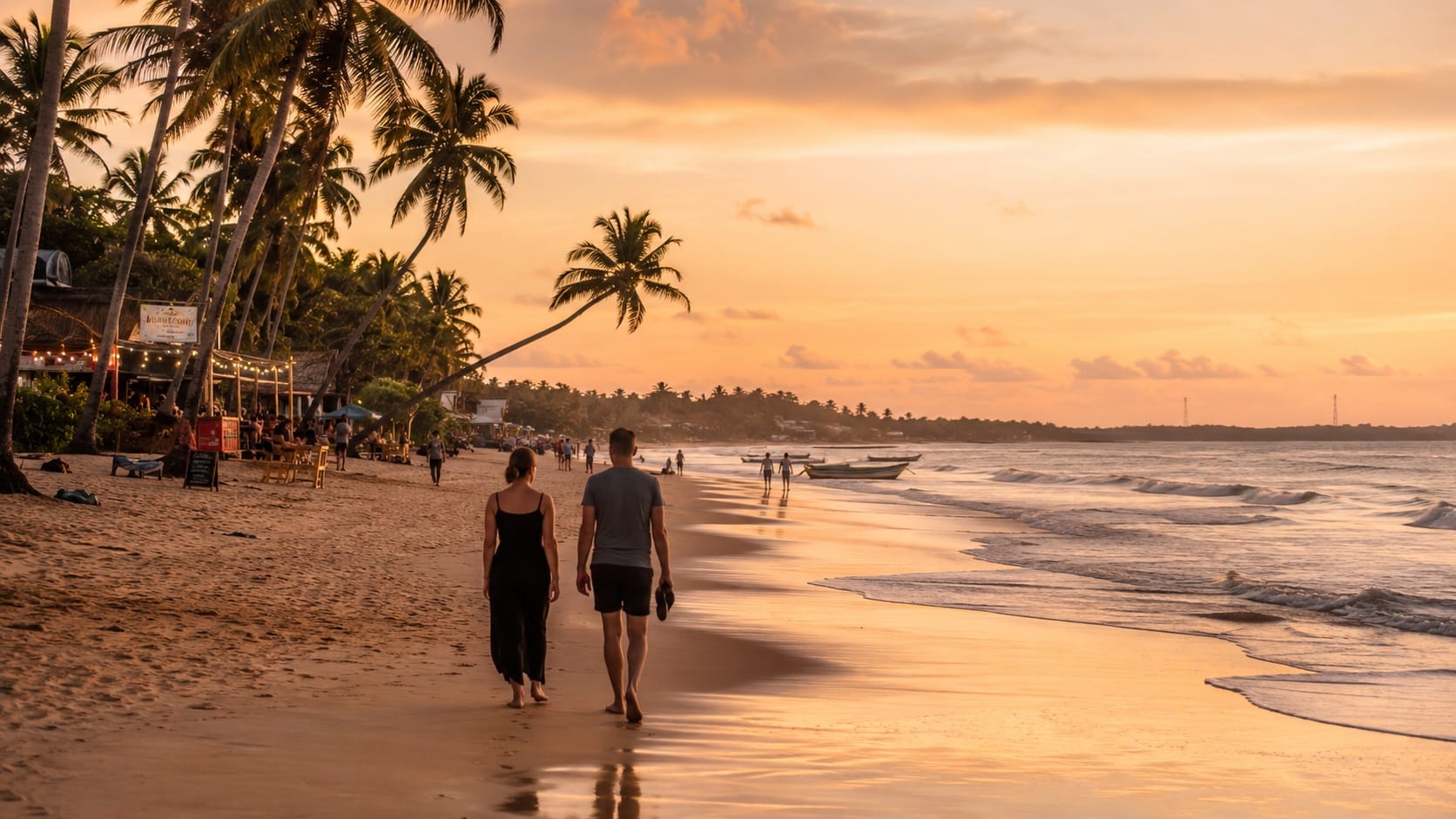
The south coast is one of the most popular beach regions in Sri Lanka. Areas such as Galle, Unawatuna, Hikkaduwa, Mirissa, Weligama, Ahangama, and Tangalle attract travelers looking for beaches, surfing, cafés, seafood, whale watching, boutique hotels, and relaxed coastal towns.
Galle Fort adds history and character to the region. It is a good place for walking, photography, restaurants, colonial architecture, and sunset views. Weligama and Ahangama are popular among surf beginners and café lovers. Mirissa is known for beach views and whale-watching tours, while Tangalle feels quieter and more spread out.
Who the South Coast Suits
The south coast suits beach lovers, surfers, couples, families, digital nomads, food lovers, and first-time visitors who want an easy tropical ending to their trip.
East Coast
The east coast has a different rhythm. Trincomalee, Nilaveli, Pasikudah, Batticaloa, and Arugam Bay are some of the main names travelers search for. This region is especially useful when the south-west coast is affected by rain.
Arugam Bay is famous for surfing and a laid-back backpacker scene. Trincomalee and Nilaveli are better for beach stays, snorkeling, diving, and marine activities during the right season. Pasikudah is known for calm shallow waters and resort-style holidays.
Who the East Coast Suits
The east coast suits surfers, beach-focused travelers, repeat visitors, summer travelers, and people who want a less crowded coastal experience.
Wildlife and Safari Regions
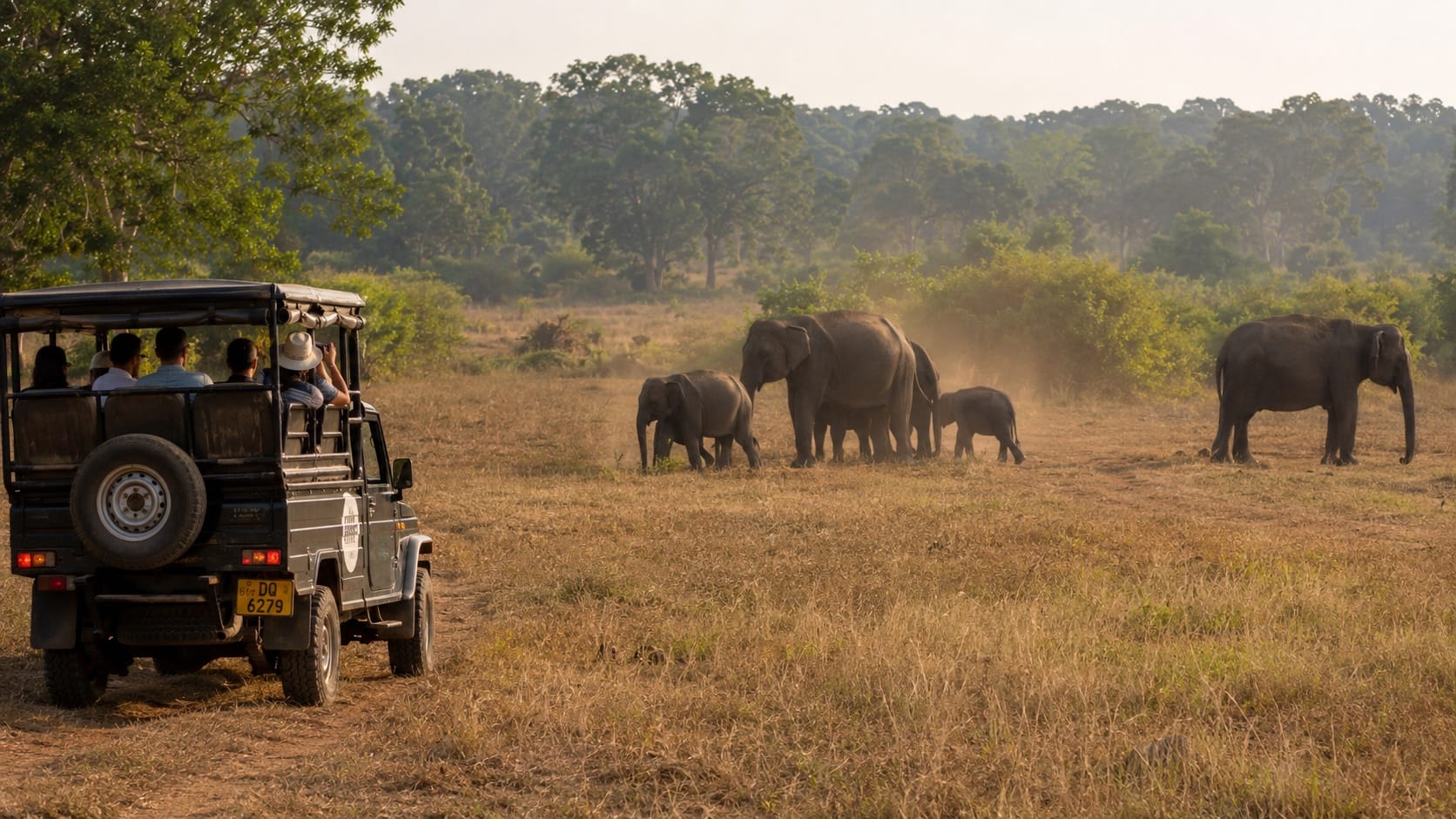
Sri Lanka is one of the best places in Asia for wildlife experiences. Yala, Udawalawe, Wilpattu, Minneriya, Kaudulla, and Bundala are some of the main safari areas. Yala is famous for leopards, while Udawalawe is often recommended for elephants. Minneriya and Kaudulla are known for elephant gatherings during the right season.
A safari should be planned carefully. It is better to choose one good safari experience than to rush through many parks. Responsible travel matters here. Choose operators who respect park rules, avoid overcrowding animals, and do not pressure drivers to chase wildlife.
Who Safari Regions Suit
Safari regions suit families, photographers, wildlife lovers, nature travelers, and first-time visitors who want a memorable outdoor experience.
Best First-Time Route
For most first-time visitors, the best Sri Lanka travel route should include culture, mountains, wildlife, and beach time. A balanced route gives the traveler a real taste of the island without forcing them to sit in a vehicle every day.
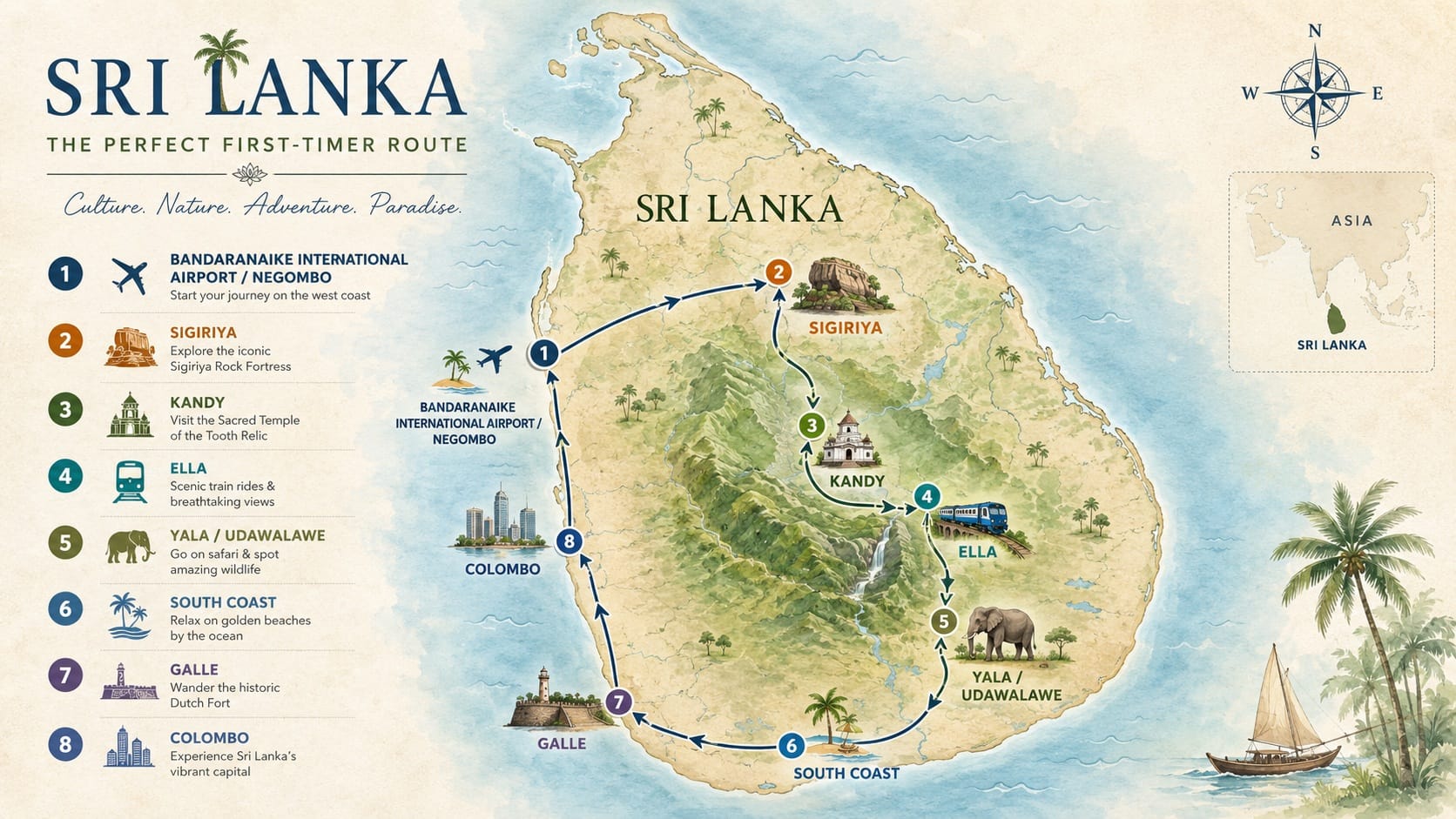
A strong first-time route can look like this:
Negombo or Colombo → Sigiriya → Kandy → Ella → Yala or Udawalawe → South Coast → Colombo
This route works because it follows a natural travel flow. You start close to the airport, move into the Cultural Triangle, continue to the hill country, enjoy a safari, and finish with beach time before returning to Colombo or the airport.
For a 7-day trip, this route needs to be shorter. You may have to skip either the safari or reduce beach time. For a 10-day trip, it becomes much more comfortable. For a 14-day trip, you can slow down and add places like Anuradhapura, Nuwara Eliya, Tangalle, or Galle.
A first-time visitor should avoid jumping from the south coast to the east coast unless they have enough time. On the map it may look simple, but in real travel time it can become tiring.
What to Book First
The first thing to book is your international flight. Once your arrival and departure dates are fixed, you can build the route around your number of nights.
The second thing to check is your visa or entry requirement. Sri Lanka’s visa and ETA rules have changed several times in recent years, so travelers should always check the official ETA website and the Department of Immigration and Emigration before applying or flying. The official ETA site provides online visa application information, while the Department of Immigration publishes important notices related to short-stay visitors and visa procedures.
After flights and entry requirements, book your first night near the airport, especially if you arrive late. This removes stress from the first day. Then book the key hotels in places where availability matters, such as Sigiriya, Ella, Yala, popular south coast towns, or luxury beach resorts.
If you plan to take the scenic train route, check schedules early. Reserved seats can sell out during busy periods, especially on popular hill country routes. You can still travel without reserved seats, but for families, couples, and first-time visitors, reserved seating is more comfortable.
Safari should also be arranged before arrival if you are traveling during peak season. Good safari drivers and ethical operators can get booked. The same applies to popular experiences such as whale watching, guided Sigiriya climbs, private transfers, and boutique stays.
Mistakes to Avoid
One of the biggest mistakes first-time visitors make is trying to see the whole island in one trip. Sri Lanka may be compact, but every region deserves time. A rushed itinerary can make the country feel like a checklist instead of a journey.
Another mistake is choosing the wrong coast for the season. A traveler visiting in July may be disappointed if they expect perfect weather on the south-west coast every day. At the same time, that same traveler may have a beautiful beach holiday on the east coast. This is why planning around the season matters.
Many travelers also underestimate travel times. A distance that looks short on Google Maps can take longer because of traffic, road conditions, mountain roads, and local driving patterns. It is better to keep travel days realistic and avoid planning major sightseeing immediately after a long transfer.
Another common mistake is booking hotels before finalizing the route. A beautiful hotel is not helpful if it forces you to travel backward or adds unnecessary road time. Build the route first, then choose hotels.
Finally, do not ignore the first and last day. Arrival day should be light. Departure day should be safe and simple. If your flight leaves at night, staying too far away on the final day can create unnecessary stress.
Visa and Entry
Visa and entry rules are one of the first things every traveler should check before visiting Sri Lanka. The safest advice is simple: always use official sources before making travel decisions. Visa rules, fees, free visa schemes, ETA requirements, and arrival procedures can change.
Most short-stay travelers usually need to check whether they should apply for an Electronic Travel Authorization or follow the latest entry procedure. The official ETA website is the main place to review online application information, and the Department of Immigration and Emigration publishes official public notices.
Travelers should also make sure their passport has enough validity, keep proof of return or onward travel, and have accommodation details ready. Even when the process is simple, being prepared makes arrival smoother.
For a travel website, this section should always be updated regularly. Visa information is one of the highest-trust topics in a Sri Lanka travel guide, so outdated details can damage reader confidence.
Hotels and Where to Stay
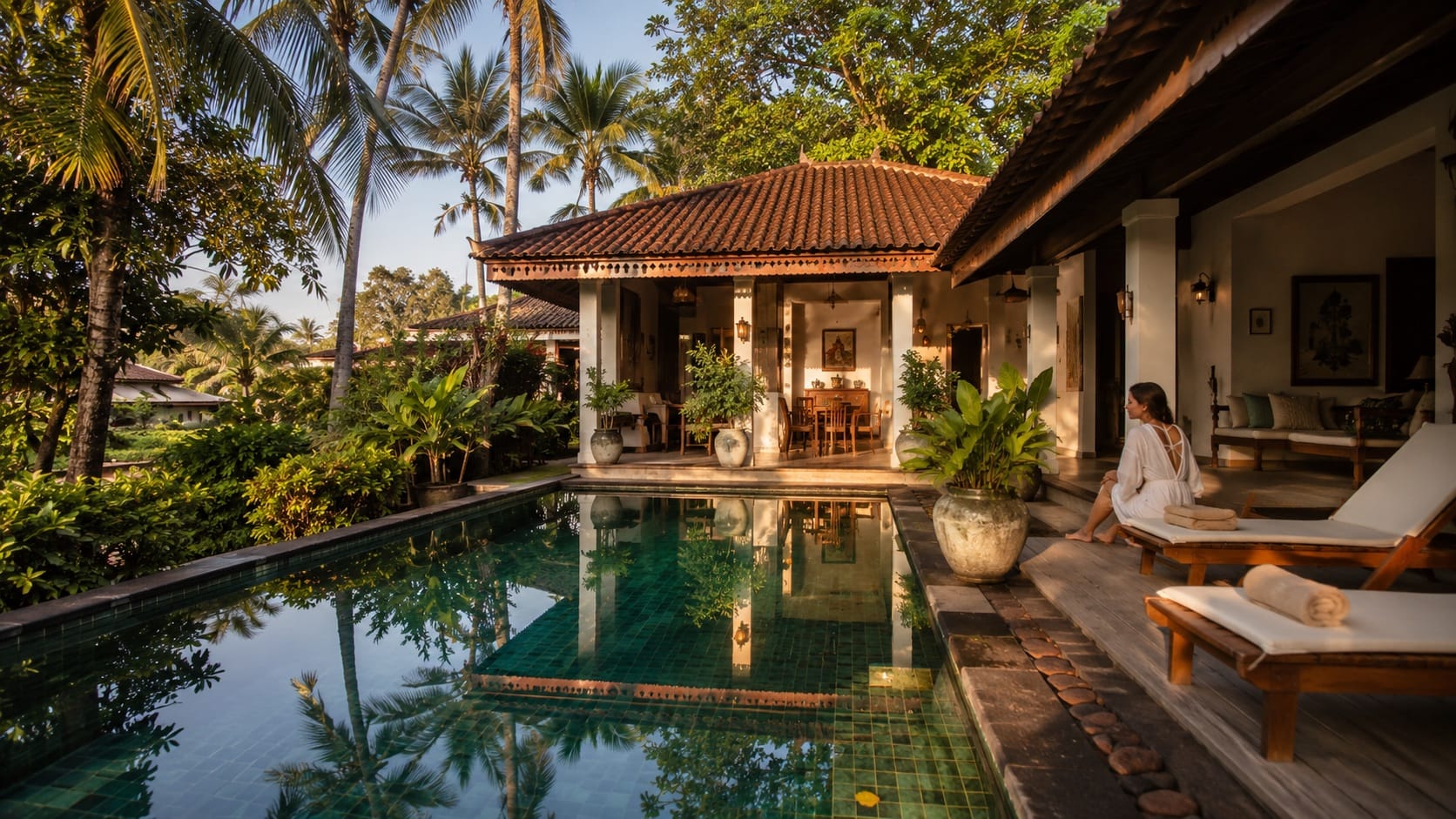
Where you stay in Sri Lanka should depend on the route, not only the hotel photos. For the first night, Negombo is practical. For culture, Sigiriya or Habarana gives good access to major sites. For Kandy, staying near the lake or slightly outside the city can work depending on your style. For Ella, choose a place with views but also think about road access.
On the south coast, each town has a different feel. Galle Fort is charming and historic. Unawatuna is easy and tourist-friendly. Weligama is good for beginner surfers. Ahangama is trendy and café-focused. Mirissa is scenic and lively. Tangalle is quieter and better for travelers who want space.
Luxury travelers may prefer boutique villas, tea bungalows, wellness resorts, or beach hotels. Backpackers may choose hostels and guesthouses in Ella, Weligama, Mirissa, or Arugam Bay. Families should look for pool access, easy food options, short transfers, and rooms with enough space.
A good Sri Lanka itinerary does not need expensive hotels every night. Sometimes it is better to spend more on key locations, such as a scenic hill country stay, a safari lodge, or a beach resort, and keep other nights simple.
Getting Around Sri Lanka
Getting around Sri Lanka can be part of the adventure. Trains are scenic, buses are cheap, tuk-tuks are useful for short rides, and private drivers are the most comfortable option for first-time visitors.
For families and travelers with limited time, a private car and driver is often the easiest choice. It gives flexibility, saves time, and removes the stress of managing every transfer. For backpackers, trains and buses help reduce costs and create a more local experience.
The train journey through the hill country is one of the most famous travel experiences in Sri Lanka. Many travelers search for the Kandy to Ella train, but routes may vary depending on where you start and what tickets are available. Always check official schedules and avoid leaving important transfers to guesswork. Sri Lanka Railways provides an online schedule search service with station, timing, and fare details.
Tuk-tuks are best for short distances, beach towns, city rides, and local sightseeing. Always agree on the price before starting if there is no meter, or use ride-hailing apps where available.
Self-driving is possible for some travelers, but it is not the easiest option for first-time visitors because traffic styles, road conditions, and local driving habits can feel very different. For most visitors, hiring a driver for longer transfers is more comfortable.
Final Travel Planning Advice
The best Sri Lanka trip is not the one with the most stops. It is the one that matches the traveler’s pace, season, budget, and interests.
If you love history, give more time to the Cultural Triangle. If you love nature, slow down in the hill country. If you are visiting with kids, reduce long transfers and choose hotels with comfort. If you are coming for beaches, choose the correct coast for the month. If you want a classic first-time experience, combine Sigiriya, Kandy, Ella, safari, and the south coast.
Sri Lanka rewards travelers who do not rush. The island is full of famous places, but some of the best moments happen between them: a roadside king coconut stop, a misty train window, a home-cooked rice and curry, a quiet temple visit, a sunset walk on the beach, or a simple smile from someone who helps you along the way.
That is why Sri Lanka is not only a destination to visit. It is a destination to feel slowly.
For first-time visitors, plan the essentials, book the important parts early, leave space for real experiences, and let the island do the rest.